 Shu Guang
Shu Guang
Shu Guang
Explore our core selection of certified current-limiting HRC fuses, insulators, and cutouts designed for extreme electrical environments.
Wenzhou Shuguang Fuse Co., Ltd. is located in Yueqing, Zhejiang Province, the electrical capital of China. We are a power technology enterprise integrating research, development, production, sales, and service. The predecessor of Wenzhou Shuguang Fuse Co., Ltd. was "Yueqing Shuguang Fuse Factory," established in 1992.
With over three decades of systematic expansion and research refinement, we have positioned ourselves as a key partner to international utilities, global procurement agencies, and heavy industrial operations. Our production site is optimized for high-capacity runs while maintaining strict precision engineering limits required for reliable short-circuit and overcurrent protection.

The global electrical grid landscape is undergoing a massive shift towards decarbonization and smart distribution systems. As renewable energy generation (wind, solar) is integrated at scale, and industrial electrification ramps up, medium voltage (MV) network protection faces unprecedented challenges. Dynamic current surges, bidirectional power flows, and higher harmonic frequencies demand smarter, faster-acting protection devices.
China's medium voltage fuse manufacturing sector has transitioned from copying Western specifications to driving innovations in materials science and arc-extinguishing physics. At Wenzhou Shuguang, we are pioneering research in composite elements, high-purity quartz sand filling techniques, and vibration-resistant housing structures. These advancements ensure our fuses offer precise time-current characteristics, preventing unnecessary utility downtime while reliably isolating catastrophic faults.
Smart grids require protection systems that operate perfectly under fluctuating load dynamics. Our MV current-limiting fuses provide instantaneous protection, clearing high short-circuit currents in milliseconds.
Solar arrays and wind turbines operate under severe climatic conditions. Our engineering accommodates extreme thermal cycling, high UV exposure, and transient overcurrents typical of renewable collector buses.
High-power, fast-charging hubs demand high DC and AC voltage safety mechanisms. We offer specialized EV fuse technologies designed to prevent thermal runaway in modern charging topologies.
For global procurement managers, industrial project developers, and substation operators, sourcing medium voltage fuses is not just a matter of unit price. It is about mitigating total cost of ownership (TCO) and ensuring grid safety. The primary challenges in sourcing MV protection components include:
Purchasing components that fail to align with local requirements (such as DIN standard, BS standard, or ANSI C37 rules) can lead to project delays, non-compliance, and severe safety issues. Buyers require comprehensive documentation, third-party validation reports, and a manufacturer who deeply understands global standards.
Substandard raw materials—such as low-purity silver elements or moisture-prone sand—can alter the time-current curve, causing premature aging or explosive containment failures under load. Sourcing must rely on factories with transparent materials tracking.
Standard off-the-shelf components rarely fit every niche industrial configuration. Whether it is adjusting the striker pin force, customizing the barrel length, or modifying connection tags, standard-driven engineering modification is crucial to complex operations.
Delayed shipments of critical protection components translate directly to operational bottlenecks. A reliable manufacturer must support logistical execution, offer localized support, and carry safety inventory for contractual OEM clients.
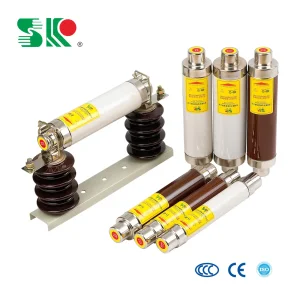
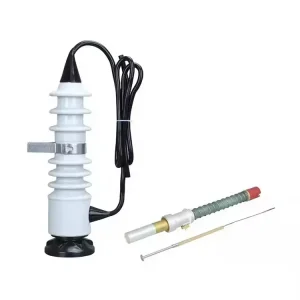
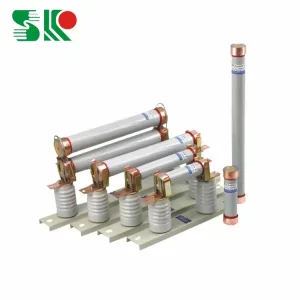
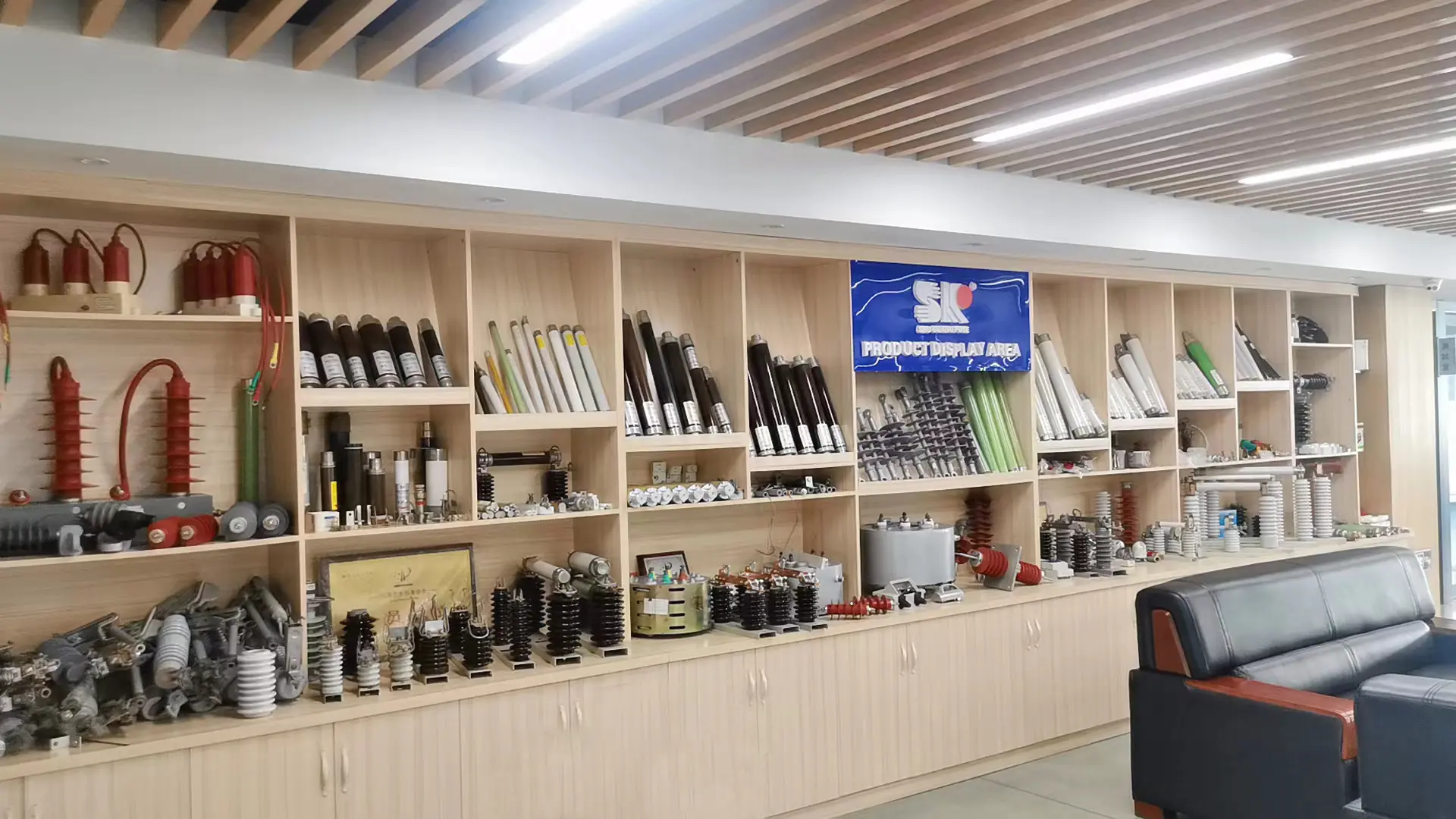
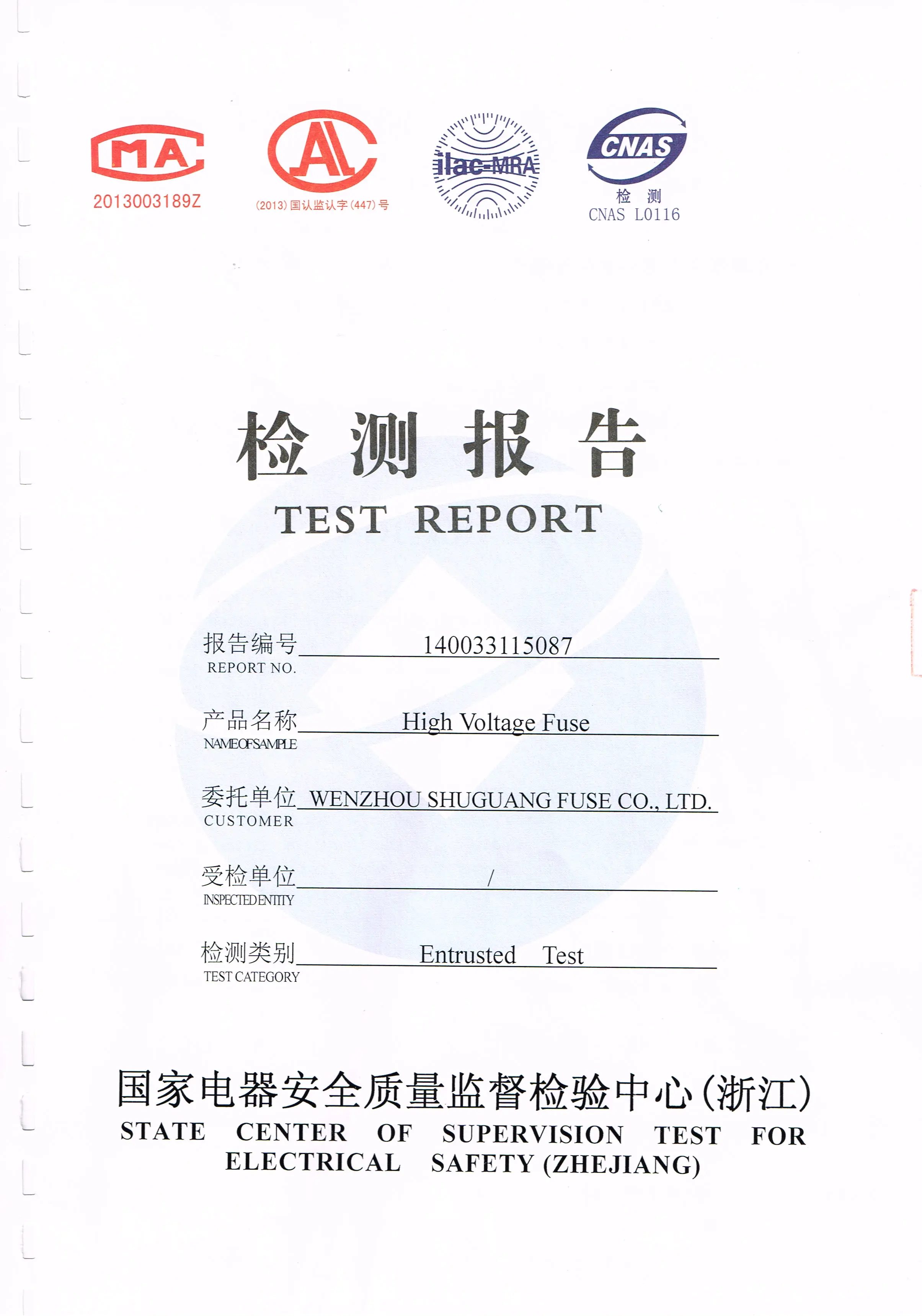
Wenzhou Shuguang is designated by the Ministry of Electric Power Industry to produce high-voltage fuses of various voltage levels, high-voltage current-limiting fuses, high-voltage fuses for power capacitors, voltage transformer protection fuses, zinc oxide arresters, drop-out fuses, high-voltage insulators, and other products. All performance tests are qualified.
Our products have passed testing at the high-power test station of the Electric Power Research Institute of the Ministry of Electric Power, the National High-voltage Electrical Apparatus Quality Supervision and Inspection Center, the Xi'an High-voltage Electrical Apparatus Research Institute, and the High-Voltage Electrical Apparatus Laboratory.
The highest technical performance meets the following global standards:
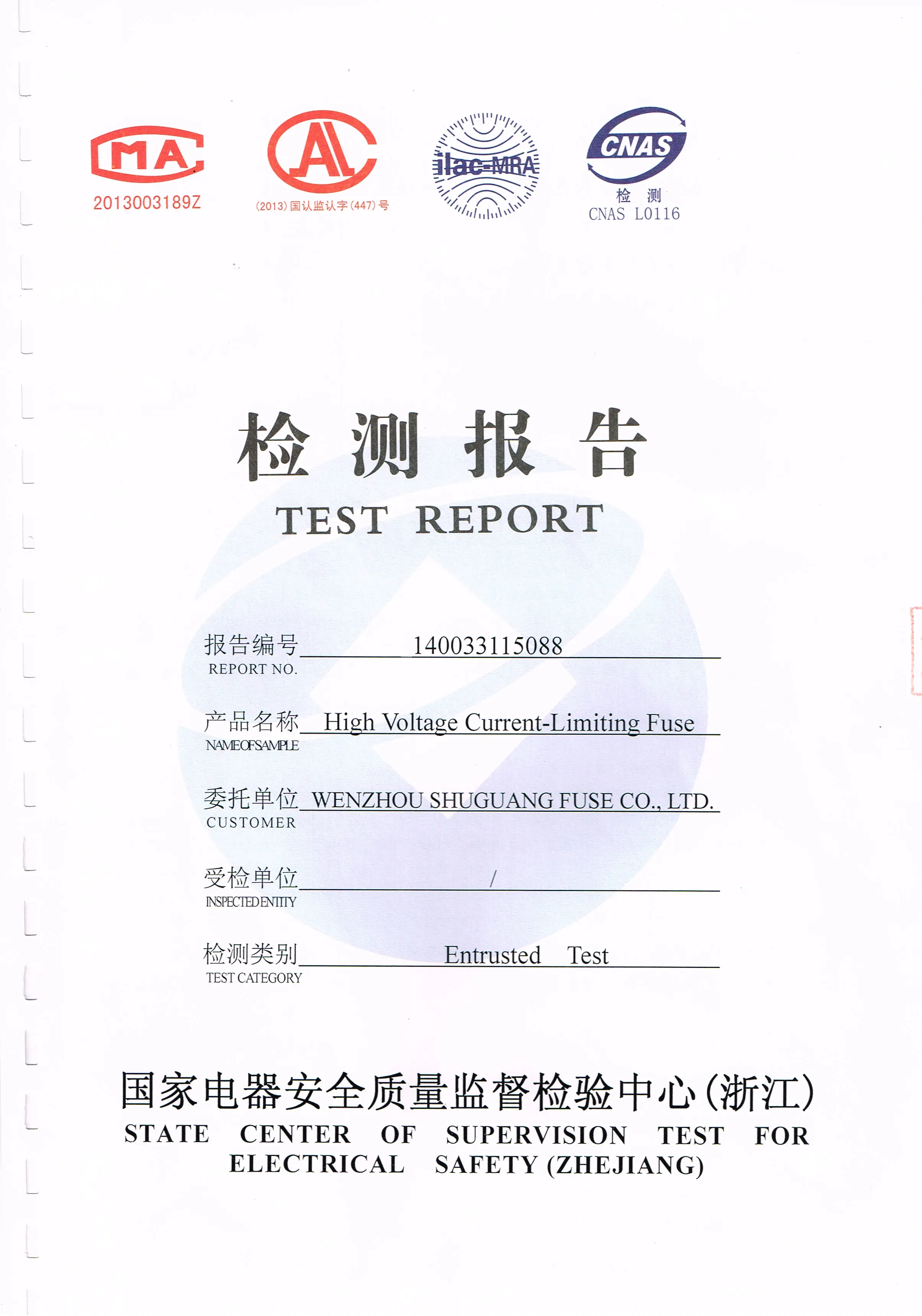
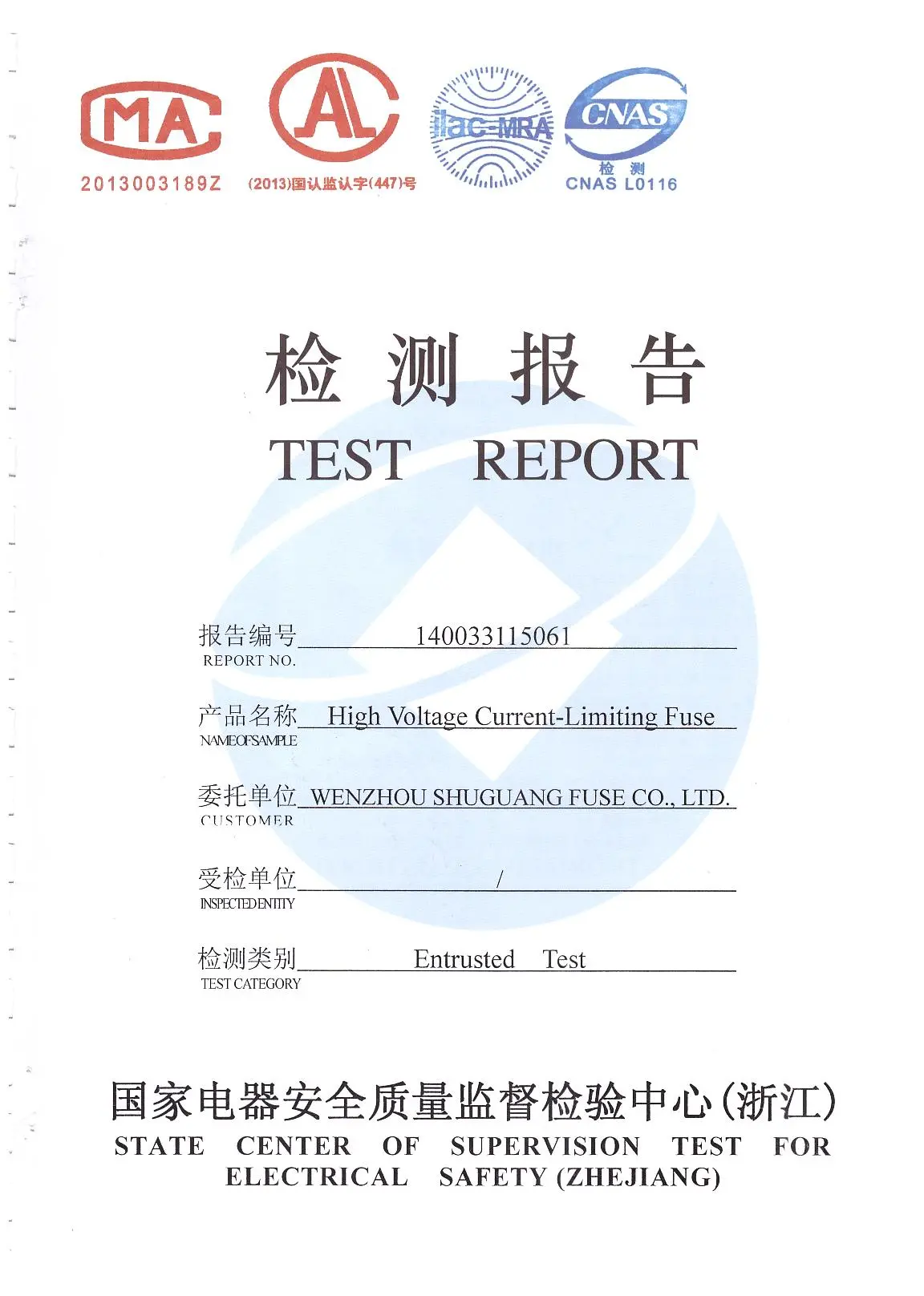
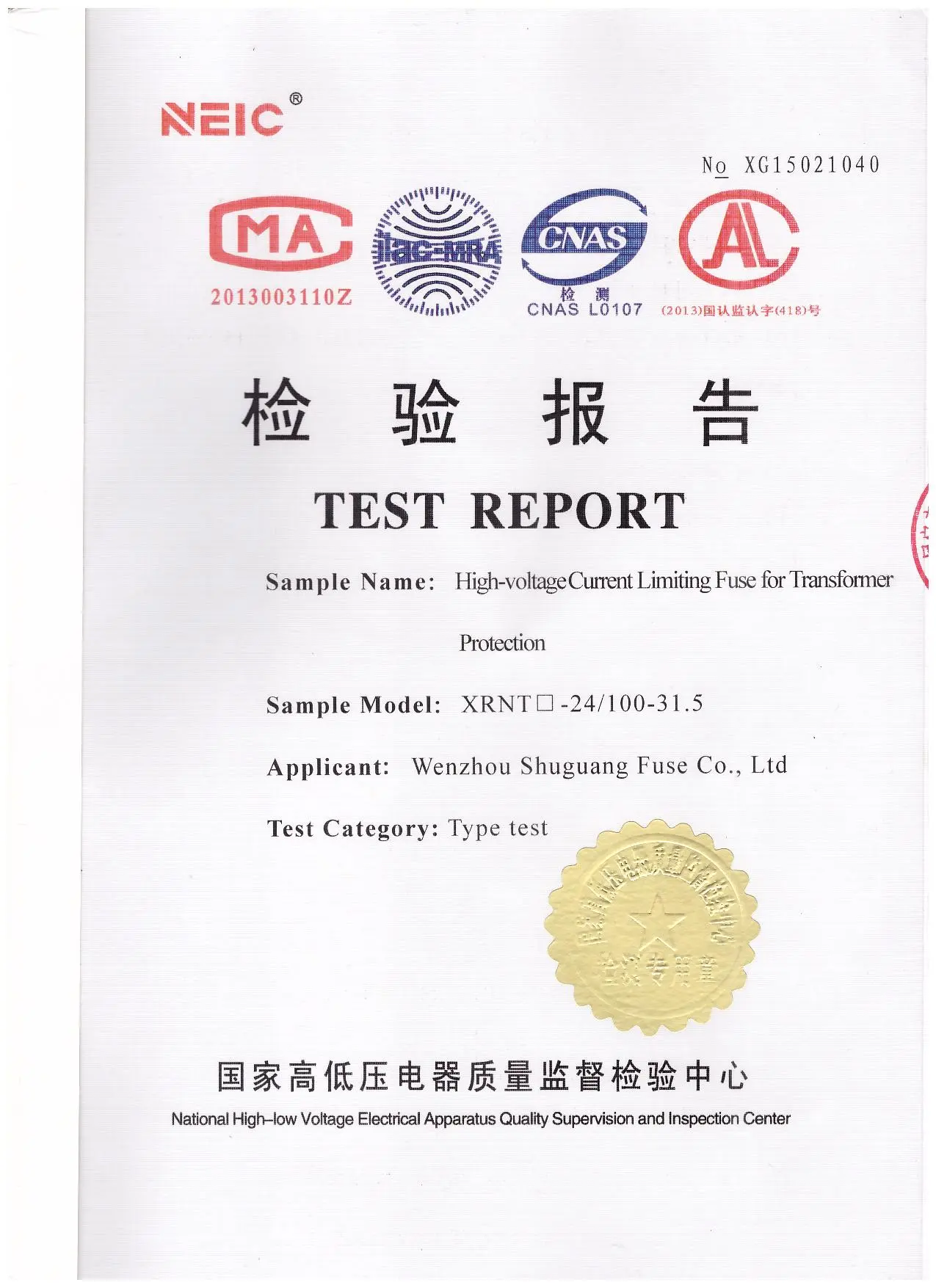
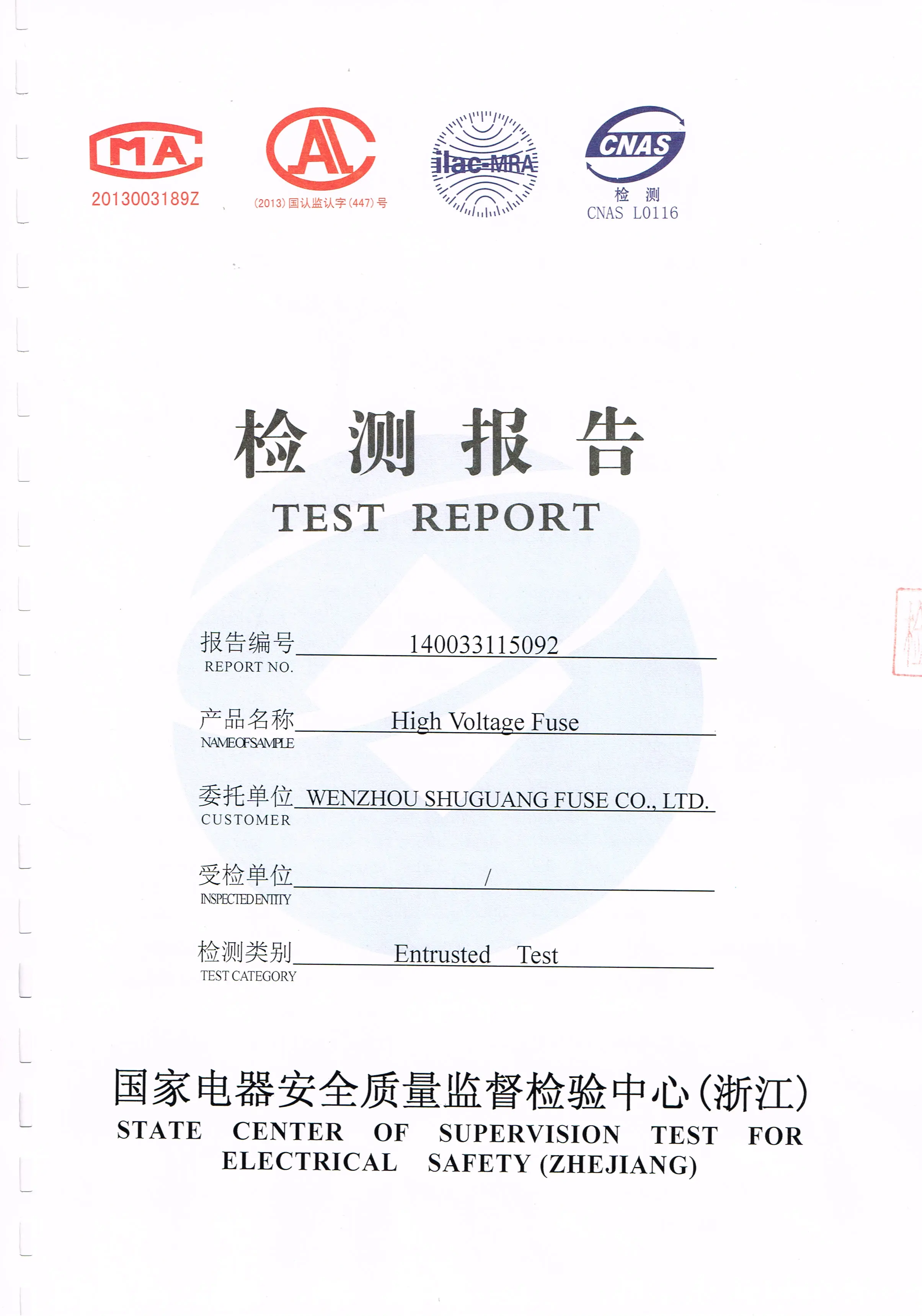
Providing robust, system-level safety margins across utilities, industrial setups, and heavy infrastructure.
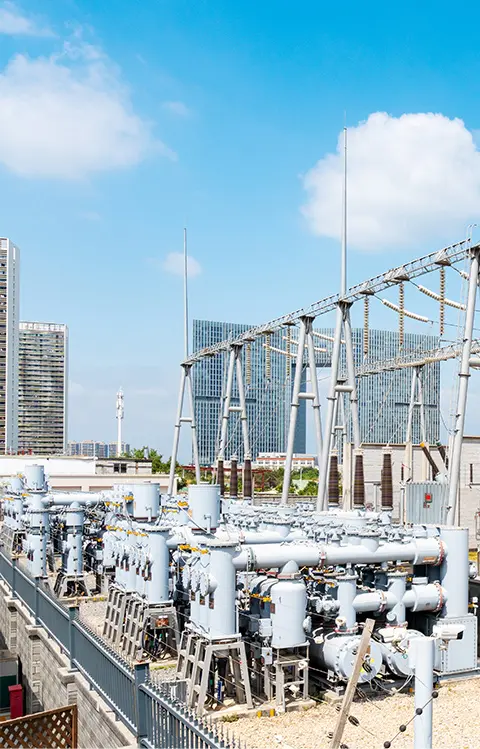
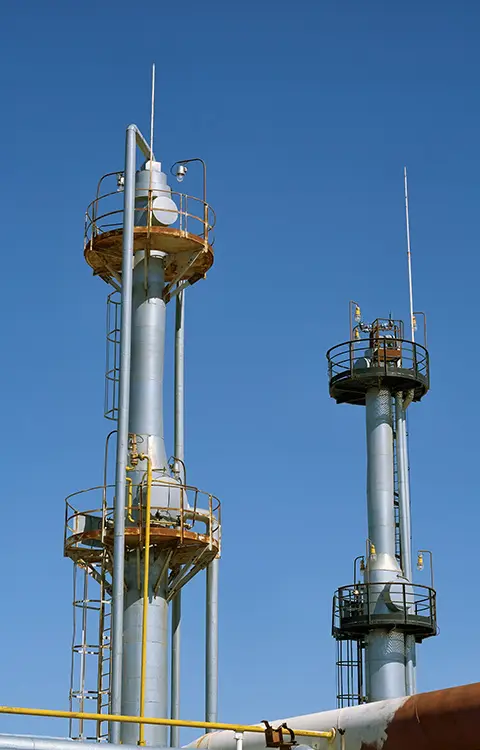


In municipal distributions, transformers are vulnerable to internal core faults. Our specialized backing-up HRC fuses operate in tandem with bayonet fuses to provide full-range clearing capability, protecting the transformer housing from high-energy ruptures and preventing collateral damage to nearby equipment.
Renewables installations feature large lateral arrays of cabling feeding central step-up transformers. Overcurrent protection must isolate faults on individual loops without taking the entire wind farm offline. Our high-voltage current-limiting DIN fuses offer the precision needed to secure these networks.
Starting large medium-voltage motors causes significant inrush currents. The protection fuses must handle these transient surges repeatedly without thermal fatigue, yet still trip quickly if an actual short-circuit occurs. Our motor-protection fuses (complying with IEC 60644) are specifically calibrated for these demands.
Compact, gas-insulated switchgears (GIS) require space-saving, low-loss protection. Our current-limiting fuses run at low temperatures, minimizing heat dissipation inside enclosed switchgear compartments, extending insulation lifespans.
Our products are exported to various provincial power companies in China, creating a comprehensive domestic sales network and establishing solid business relationships. Internationally, our high-voltage current-limiting fuses and related accessories are exported to Southeast Asia, the Middle East, Africa, Europe, and other regions, ranking us among the top performers in the industry.
We believe in technical local support. Our global application engineering team helps partners verify selectivity coordinates, select appropriate striker pin strengths, and manage complex retrofits. This approach reduces design time for project engineers and helps distributors supply the exact protection units needed by local utilities.
Our long-term commitment to innovation guides our current product roadmap, positioning us to protect the grids of tomorrow.
Refining silver-alloy configurations and sand packing structures to lower internal resistance, reduce energy losses, and improve environmental safety.
Extending our product portfolio up to 40.5kV under strict DIN and IEC compliance frameworks to support higher-capacity transmission lines.
Developing fuses with integrated micro-sensors to monitor thermal status in real-time, feeding health data directly to substation SCADA systems.
Adopting lead-free soldering, recyclable outer barrels, and low-footprint manufacturing processes to align with global ESG standards.
Technical answers to common engineering questions regarding medium-voltage protection systems.
DIN standard fuses feature cylindrical body profiles with specific barrel lengths (typically 192mm, 292mm, 367mm, or 442mm) and 45mm end fittings, aligning with European designs. BS standard fuses use bolted-tag connections and different mechanical profiles. Electrically, both offer current-limiting protection, but their mechanical mounting footprints are completely different.
Quartz sand serves as the arc-extinguishing medium. It must be highly purified, free of organic impurities, and thoroughly dried. When the silver element melts during a fault, the heat creates an arc. The quartz sand absorbs this thermal energy, melts, and fuses with the vaporized silver to form a non-conductive fulgurite body, extinguishing the arc within milliseconds.
No. Back-up current-limiting fuses are designed to clear short-circuit faults between their rated maximum breaking current (I1) and minimum breaking current (I3). They should not be used to interrupt minor overloads, as sustained low-level currents can cause thermal damage to the fuse body. Overloads must be handled by series-connected devices, such as relays or bayonet fuses.
High ambient temperatures reduce the current-carrying capacity of the fuse. In hot environments or enclosed switchgear, fuses must be de-rated. Conversely, in cold regions, the heat dissipation rate increases, slightly shifting the melting curve. Our application engineers can provide temperature de-rating curves based on your project parameters.
The striker pin is a spring-loaded or pyrotechnic mechanism released when the fuse element melts. It provides a visual indicator that the fuse has blown. In many switchgear setups, it also mechanically trips an associated load-break switch, isolating all three phases of a circuit to prevent single-phasing conditions.
We maintain a rigorous quality assurance framework certified under ISO 9001. Raw materials undergo incoming inspections (silver purity, moisture testing of sand). Each production run is subjected to cold-resistance checks, dimensions verification, and x-ray element alignment checks. Type testing is performed regularly in cooperation with independent high-voltage laboratories.
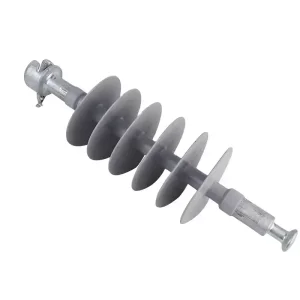
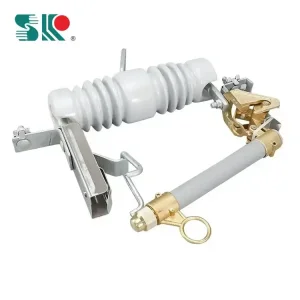
Complete your substation design with our high-voltage drop-out cutouts, arresters, polymer insulators, and specialized replacement links.