
Shu Guang
In the ever-evolving world of electrical engineering, Zinc Oxide Arresters play a crucial role. According to Dr. Emily Carson, a leading expert in voltage protection systems, "Zinc Oxide Arresters are essential for safeguarding electrical infrastructure." As global demand for reliable protection against voltage surges increases, understanding the top options available becomes imperative for buyers in 2026.
Zinc Oxide Arresters offer a blend of durability and effectiveness. They provide key advantages over traditional silicon carbide options, including superior voltage clamping and reduced energy loss. However, not all models meet the same standards. Quality and performance can vary widely among manufacturers. Some products may not provide adequate protection, leading to potential failures.
The market is flooded with choices, making it essential for buyers to assess each option carefully. Buyers should look for products backed by meaningful research and testing. Furthermore, understanding warranty and support offers a safety net in case of product failures. This diligence is necessary for making informed decisions that affect infrastructure longevity. The future of energy protection relies heavily on selecting the right Zinc Oxide Arresters.
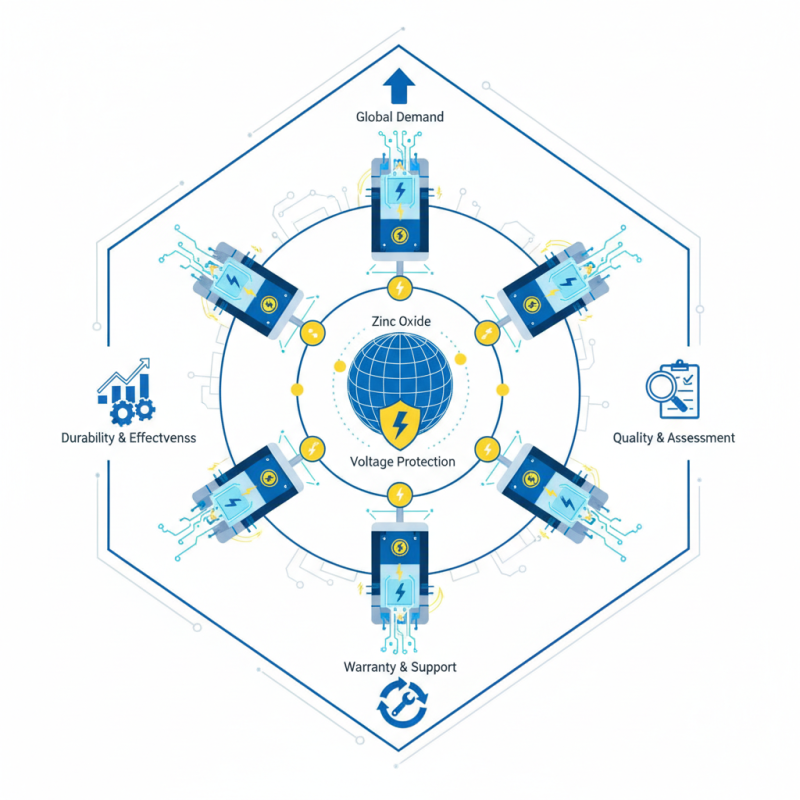
When selecting zinc oxide arresters, several key characteristics shine through. First, voltage rating is crucial. This rating ensures the arrester can handle overvoltages effectively. An arrester with a high voltage rating may provide better protection. However, it can increase costs. Buyers should balance performance and budget.
Another vital characteristic is energy absorption capability. High-quality zinc oxide arresters can absorb significant energy from surges. According to industry reports, the best models can handle up to 20 kJ of energy. This significantly reduces the risk of equipment failure. The selection process can be complicated. Users must evaluate their specific needs and application environments.
Tip: Do not overlook the importance of reliability in performance. A well-tested arrester provides peace of mind. Additionally, consider the environmental conditions. Depending on the installation site, temperature and humidity can impact performance. Maintenance is equally important. Regular checks help ensure effectiveness and longevity.
In 2026, the landscape of zinc oxide arresters is shaped by key manufacturers who lead in innovation and quality. These companies focus on advanced technology to enhance device performance. They understand the importance of reliability in high-voltage applications. Therefore, their products undergo rigorous testing to ensure they meet industry standards.
Manufacturers prioritize materials that can withstand harsh conditions. They explore new composites that offer better durability. This ensures the arresters can handle unexpected surges effectively. As electric grids expand globally, the demand for such arresters increases. Companies continually refine their designs to improve efficiency and extend lifespan.
Tip: When selecting zinc oxide arresters, consider not only their specifications but also the manufacturer’s reputation. Reliable manufacturers often provide comprehensive support and documentation.
The market is competitive, sometimes leading to compromises on quality for price. It’s vital to scrutinize product reviews and performance data. This ensures that safety and functionality are not sacrificed. Make informed decisions based on detailed research and industry insights.
Zinc oxide arresters play a crucial role in protecting electrical systems from surges. As we look towards 2026, several trends are influencing the global market for these devices. Increased demand for renewable energy sources drives innovation in surge protection solutions. Solar and wind farms need reliable systems to ensure uptime and safety. This trend continuously shapes the design and functionality of zinc oxide arresters.
The growing use of smart grids is another major factor. These updated electrical systems require advanced protection against transients. The integration of smart technology often leads to more complex surges. Thus, manufacturers must improve the performance of zinc oxide arresters. This evolution ensures that they effectively mitigate risks without compromising efficiency.
Tips: Consider investing in arresters that feature high energy absorption capacity. Look for models that include surge monitoring capabilities. Also, research designs that allow for easy installation and maintenance. These factors can significantly affect long-term reliability. As global trends continue to evolve, staying informed will be key to making effective purchasing decisions. Keeping an eye on industry standards will also help buyers identify emerging technologies in this field.
Zinc oxide arresters play a crucial role in protecting electrical systems. These devices help prevent voltage surges caused by lightning or switching operations. A comparative analysis of their features is vital for global buyers looking for quality options in 2026.
Key features include energy absorption capacity, discharge current ratings, and thermal stability. Industry reports suggest that devices with higher energy absorption capabilities reduce the risk of equipment failure. Many arresters boast energy ratings above 10 kJ/kV, offering robust protection. Meanwhile, discharge current ratings typically range from 20 kA to over 100 kA. This variance allows users to select based on their specific needs.
Another crucial factor is thermal stability. Zinc oxide arresters operate efficiently within a wide temperature range. Devices maintaining performance in extreme conditions prove essential for remote locations. However, some products still face reliability issues under fluctuating environmental conditions. Thus, thorough testing remains essential. An effective arrester not only implies robust construction but also thorough evaluation against standards set by reputed organizations.
The field of zinc oxide arresters is poised for significant innovations by 2026, driven by the need for enhanced safety and reliability in electrical systems. The integration of smart technology into arresters will lead to better monitoring and real-time data collection. This progress can improve decision-making and optimize performance. Advanced materials will also play a crucial role in increasing the efficiency of these devices.
Tips: Regularly check the specifications of arresters. New materials often offer better thermal performance. Pay attention to the environmental impact of production processes too.
Another area of development is the miniaturization of components, allowing for compact designs without sacrificing functionality. These smaller units can be integrated into various applications, from residential to industrial solutions. However, as technology advances, there is a need for reflection. Newer isn't always better, and testing under real-world conditions remains essential.
Tips: Invest in ongoing training for personnel. Understanding device operation can prevent potential mishaps. Collaborate with experts in the field to stay informed on safety standards.
: They protect electrical systems from dangerous surges.
Advanced technology improves performance and reliability in high-voltage applications.
A trusted manufacturer ensures high quality and comprehensive support for their products.
Manufacturers use durable materials to withstand harsh conditions and unexpected surges.
Trends like renewable energy and smart grids increase the need for innovative surge protection solutions.
Look for energy absorption capacity, monitoring capabilities, and ease of installation.
Competition can lead manufacturers to compromise quality for lower prices.
Scrutinize product reviews and performance data to make informed decisions.
Continuous design refinements by manufacturers help improve efficiency and extend lifespan.
Keep an eye on emerging technologies and industry standards to guide effective purchasing.
The article "Top 5 Zinc Oxide Arresters for Global Buyers in 2026?" explores essential aspects of zinc oxide arresters, which play a critical role in protecting electrical systems from surges and transients. It highlights key characteristics to consider when selecting zinc oxide arresters, such as voltage rating, energy absorption capacity, and thermal stability. Additionally, the article delves into the market trends influencing the global zinc oxide arrester landscape, including an increasing demand for renewable energy sources and the advancement of smart grid technology.
Furthermore, a comparative analysis of various zinc oxide arresters features is presented, showcasing the evolving designs and functionalities to meet the challenges of modern electrical networks. The article also introduces future innovations poised to enhance the performance and reliability of zinc oxide arresters, ensuring they remain a vital component in power distribution systems worldwide.
