
Shu Guang
When it comes to electrical safety, understanding "Nh Fuse" types is crucial for buyers globally. Experts in the field emphasize the importance of choosing the right fuse for various applications. John Smith, a renowned specialist in fuse technology, once stated, "Selecting the appropriate Nh Fuse can prevent costly failures." This highlights the significance of informed choices.
The market offers a range of Nh Fuse types, each designed for specific circumstances. For instance, some fuses are ideal for high voltage systems, while others suit industrial applications. This diversity can lead to confusion. Buyers must assess their needs carefully. Mistakes in selection can lead to serious implications.
In a world where electrical systems power our lives, understanding Nh Fuses is not just a technical requirement; it's a responsibility. Failing to grasp their importance can result in reliability issues. The right choice is essential. Knowledge in this area fosters not only safety but also efficiency in electrical usage. As you navigate through the top 10 Nh Fuse types, let expert insights guide your decision-making process.
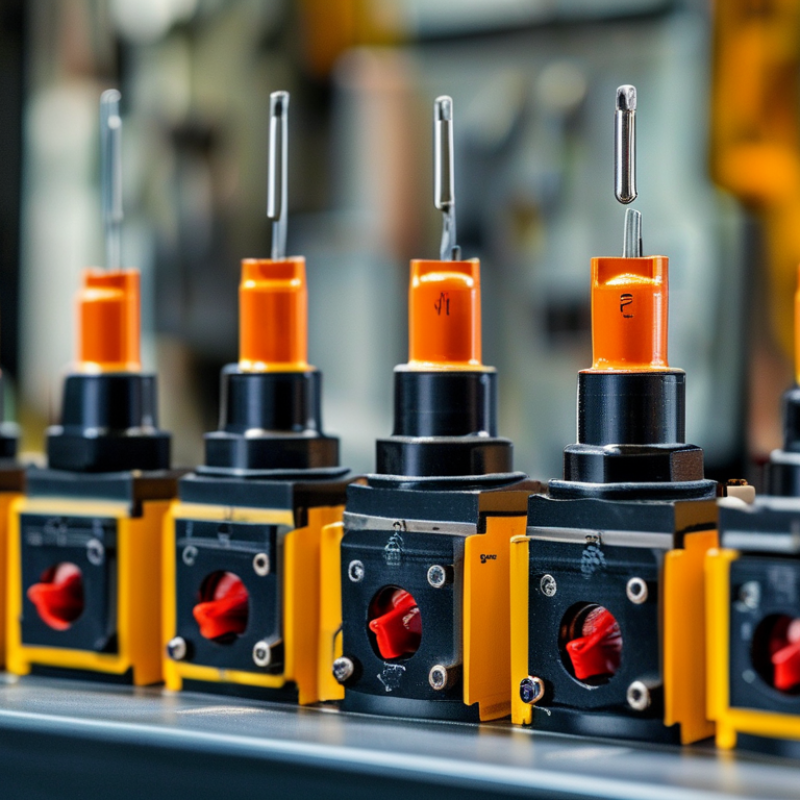
NH fuses are crucial components in electrical systems. They are designed to protect circuits from overloads and short circuits. Understanding these fuses is essential for anyone involved in electrical engineering or maintenance. Their ability to interrupt the flow of current helps prevent equipment damage and ensures safety.
Different NH fuse types serve various purposes. These fuses come in multiple ratings and sizes, which cater to different applications. For example, larger fuses can handle higher currents, making them suitable for industrial settings. Conversely, smaller fuses are often used in residential applications. Each type has specific features that influence performance, such as breaking capacity and response time. Choosing the right NH fuse requires careful consideration of these factors.
Despite their effectiveness, NH fuses have limitations. They can be susceptible to environmental conditions, such as humidity or dust. Regular maintenance and inspection are vital to ensure their reliability. Users should also be aware of the aging process, which can affect performance over time. Reflecting on these aspects can enhance safety and prolong the lifespan of electrical systems. Understanding NH fuses is not just about knowing the specifications; it's about recognizing their role in an efficient electrical infrastructure.
When selecting NH fuses, understanding their key features is vital. NH fuses come in various types, each designed for specific applications. The most common are NH00, NH1, NH2, and NH3, featuring different current ratings. NH00 is suitable for lower current ratings, while NH2 and NH3 are ideal for larger loads. Choosing the right one can enhance your system's efficiency.
Non-stock details matter. For instance, the breaking capacity of a fuse indicates how much fault current it can handle. Most NH fuses have a rated breaking capacity ranging from 80 kA to 120 kA. This feature is essential for ensuring reliable performance in high-demand environments. Users need to consider their specific requirements, as not all NH fuses are equal in this aspect.
Temperature ratings also play a crucial role. Some fuses operate effectively at higher temperatures, while others may fail under extreme heat. It's worth thinking about environmental factors when selecting an NH fuse type. A mismatch can lead to equipment failure, which can be costly and inconvenient. While many options exist, thorough research is necessary to ensure reliability and safety.
| Fuse Type | Current Rating (A) | Voltage Rating (V) | Breaking Capacity (kA) | Size (mm) | Key Features |
|---|---|---|---|---|---|
| NH000 | 63 | 500 | 80 | 10x38 | Compact size, high current rating |
| NH00 | 125 | 500 | 120 | 12x40 | Versatile application, reliable performance |
| NH1 | 160 | 690 | 150 | 14x50 | High breaking capacity, robust design |
| NH2 | 250 | 690 | 200 | 20x60 | Designed for industrial applications |
| NH3 | 400 | 690 | 250 | 25x80 | Optimal for high current demands |
| NH4 | 630 | 1000 | 300 | 30x100 | High thermal stability, safety features |
| NH5 | 800 | 1000 | 350 | 35x120 | Excellent overload protection |
| NH6 | 1000 | 1000 | 400 | 40x140 | For heavy industrial use |
| NH7 | 1250 | 1000 | 500 | 50x160 | Superior safety ratings |
| NH8 | 1600 | 1000 | 600 | 55x180 | For high voltage systems |
| NH9 | 2000 | 1000 | 800 | 60x200 | Heavy-duty performance |
When selecting NH fuses, understanding specific criteria is essential. These fuses are critical for protecting electrical systems. Factors such as voltage rating, current rating, and breaking capacity must align with your application. Each fuse type serves unique purposes, and choices may depend on environmental conditions, like temperature and humidity.
Applications vary widely. In industrial settings, NH fuses are often found in switchgear and transformers. They help prevent overloads and short circuits. In residential uses, they can safeguard essential appliances. Knowing the applications assists in making informed decisions. Visualizing installations can clarify which fuse works best where.
Reflecting on selection processes can reveal overlooked details. Buyers may focus too heavily on cost versus quality. It's vital to seek reliable sources and understand the unique characteristics of each fuse type. Engaging with industry experts can enhance decision-making. Implementing the right NH fuse strengthens the reliability and efficiency of electrical systems.
Understanding global standards for NH fuses is essential for informed decision-making. These fuses are critical in electrical installations. Compliance ensures safety and performance across various applications. Each country may have different regulations, and it's vital to be aware of these nuances.
The IEC 60269 standard is widely recognized. It outlines the requirements for NH fuses, promoting uniformity. However, local adjustments often exist. For example, European countries may emphasize certain performance metrics. This can lead to differences in fuse ratings and design criteria. Buyers must carefully review national codes and regulations related to NH fuses.
Awareness of these differences is crucial. It impacts the selection and installation processes. Implementing a fuse not meeting local standards can result in severe consequences. Vigilance in understanding these regulations can mitigate risks and enhance electrical system reliability.
Ultimately, navigating the complexities of NH fuse standards requires diligence. It encourages critical thinking about compliance. Engaging with local experts and the latest industry updates is invaluable. The landscape is continuously evolving, and staying informed is a shared responsibility.
NH fuses play a crucial role in electrical safety. For optimal operations, maintenance and safety guidelines must be followed. This ensures both effective performance and reliability. When handling NH fuses, regular inspections are vital. This includes examining connections for corrosion and checking for any signs of wear. According to a recent industry report, proper maintenance can extend the lifespan of electrical components by up to 30%.
Handling NH fuses requires an awareness of potential hazards. Ensure that all personnel are trained in safety procedures. Use appropriate personal protective equipment (PPE) when working with fused systems. A significant point of concern is the temperature rise during operation. Studies indicate that excessive heating can lead to premature failure. Monitoring temperature should be a routine practice.
Installation sites should be dust-free and dry. Environmental factors can significantly affect fuse performance. Regular cleaning and maintenance can prevent performance degradation. Additionally, proper labeling of NH fuses enhances safety. It allows quick identification during emergencies. Inadequate labeling can lead to incorrect replacements or mishandling, increasing risk. Always check compliance with local regulations to ensure safety standards are met.
: NH fuses protect electrical circuits from overloads and short circuits, ensuring safety and equipment protection.
They play a vital role in electrical engineering and maintenance, preventing damage and ensuring system reliability.
Consider factors like voltage rating, current rating, and breaking capacity specific to your application.
They can be affected by environmental conditions, such as humidity and dust, which may reduce reliability.
Regular inspections and cleaning are essential. Check for corrosion and wear to ensure optimal performance.
Proper training helps prevent accidents and ensures safety procedures are followed during maintenance and operation.
Excessive heating can lead to premature failure. Monitoring temperature during operation is crucial for longevity.
Install NH fuses in dry, dust-free areas to enhance performance and reliability.
Proper labeling allows quick identification during emergencies, preventing misreplacement and reducing risk.
Many focus too much on cost versus quality. Understanding each fuse's unique characteristics is essential.
NH fuses are critical components used in electrical systems to provide protection against overloads and short circuits. Understanding the essential characteristics of NH fuses is vital for selecting the appropriate type for specific applications. The article explores key features of different NH fuse types, offering a comparative overview that highlights their unique advantages and suitability for various scenarios.
Additionally, the article delves into important selection criteria and suggestions for the top 10 NH fuse types available to global buyers. It further addresses global standards and regulations that govern NH fuse usage, ensuring compliant operations. Lastly, maintenance and safety guidelines are provided to ensure the reliable functioning of NH fuses, contributing to overall system safety. This comprehensive understanding equips users with the knowledge needed to effectively utilize NH fuses in diverse electrical applications.
