
Shu Guang
In the ever-evolving world of electrical safety, understanding the role of a Lightning Surge Arrestor is crucial. Renowned expert Dr. Emily Carr, an electrical engineer with over 20 years of experience, encapsulates its importance by stating, “A Lightning Surge Arrestor is a guardian against unpredictable electrical surges.” The technology behind these devices is designed to protect sensitive equipment from voltage spikes caused by lightning strikes.
Lightning Surge Arrestors work by diverting excess voltage away from electrical circuits. These devices act in milliseconds, safeguarding homes, commercial buildings, and even renewable energy systems. For instance, a properly installed Lightning Surge Arrestor can prevent thousands of dollars in damage to solar panels after a thunderstorm.
While many rely on them for protection, not all installations are effective. A poor installation can lead to even greater risks. This emphasizes the need for professional expertise in selecting and installing Lightning Surge Arrestors. Ultimately, understanding how they function empowers us to better protect our electrical investments and ensure long-term safety.
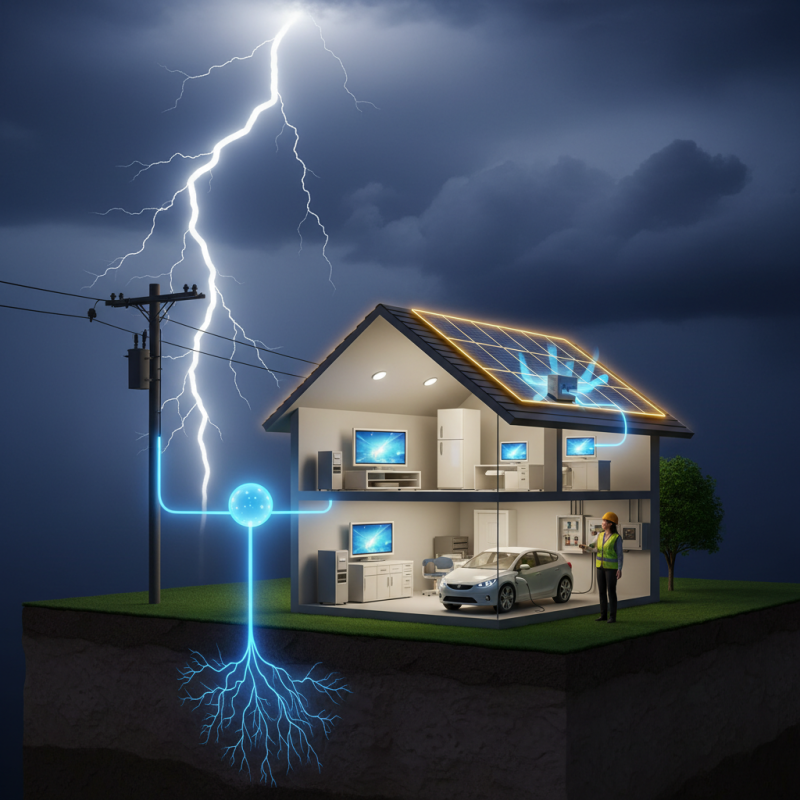
A lightning surge arrestor is a crucial device designed to protect electrical systems from the damaging effects of lightning strikes. When lightning hits a structure, it generates a powerful surge of electricity. This can cause severe damage to sensitive electrical equipment. The surge arrestor acts as a protective barrier. It redirects this excessive electrical energy away from vulnerable components.
The primary mechanism of a lightning surge arrestor involves shunting excess voltage to the ground. The device typically contains a non-linear resistor that responds to rapid voltage changes. When a surge occurs, the resistor allows current to flow through it instead of the connected equipment. This means that the sensitive parts remain safe, but it's not foolproof. Sometimes, even surge arrestors can fail, especially if they are not properly maintained or are placed incorrectly.
Regular inspection and maintenance of surge arrestors are vital. They should be tested periodically to ensure functionality. Dust and corrosion can impair their effectiveness. Users should consider environmental factors when installing these devices. Remember, while they provide a level of protection, no device completely eliminates the risk. Understanding the limitations of surge arrestors is essential for effective lightning protection strategies.
A lightning surge arrestor is a crucial device designed to protect electrical systems from sudden voltage spikes. These surges often occur during thunderstorms when lightning strikes nearby. The device acts as a front line defense, redirecting the excess voltage away from sensitive equipment. It connects directly to power lines or equipment, providing a path of least resistance for surges.
The functionality of a lightning surge arrestor revolves around its ability to detect overvoltage conditions. When a surge happens, the arrestor rapidly conducts the high voltage to the ground. This action prevents it from reaching connected devices. Many systems use metal oxide varistors (MOVs) in their design. These components switch from high resistance to low resistance almost instantly, thus protecting against damaging voltage.
Despite their importance, surge arrestors aren't foolproof. They can wear out over time, especially after multiple surges. Regular inspections and replacements are necessary to maintain their effectiveness. Additionally, improper installation can lead to vulnerabilities. It's essential to ensure accurate grounding and placement. Understanding these factors can help improve system reliability and enhance protection against future surges.
A lightning surge arrestor plays a crucial role in protecting electrical systems from high voltage surges caused by lightning strikes. Understanding its components helps clarify how it operates. The main parts include surge protection devices, grounding systems, and connectors. Each element works together to absorb excess energy and redirect it safely.
Surge protection devices act as the first line of defense. They sense voltage spikes and divert them away from sensitive equipment. Grounding systems provide a path for the electrical discharge to flow safely into the ground. This minimizes the risk of damage to infrastructure. Connectors link all these components, ensuring the system operates seamlessly.
The effectiveness of a lightning surge arrestor relies heavily on its installation and maintenance. If any component fails, the entire system may be compromised. Regular inspections are necessary to ensure everything is functioning correctly. Identifying and addressing wear and tear in connectors or grounding systems can prevent larger issues down the line.
Lightning surge arrestors play a crucial role in protecting electrical systems from the destructive power of lightning strikes. These devices are designed to divert excessive voltage surges away from sensitive equipment. By grounding these surges, they minimize the risk of damage to crucial infrastructure. An effective surge arrestor can save thousands of dollars in repair costs and downtime.
When lightning strikes nearby, it creates a sudden spike in electrical energy. This spike, if not managed, can overwhelm electrical circuits. Surge arrestors detect this surge and activate almost instantly. They provide a pathway for the excess energy, allowing it to safely disperse into the ground. Choosing the right surge arrestor requires understanding your system's needs and potential exposure to lightning.
Not all installations are foolproof. Regular maintenance of surge arrestors is essential. Failures can occur due to environmental stressors or aging components. Users should also consider the geographical location and frequency of storms. Investing in proper surge protection is wise, but awareness of limitations and regular assessments can enhance overall system safety.
| Dimension | Description | Functionality |
|---|---|---|
| Type | Varistors, Gas Discharge Tubes, and Thyristor Surge Suppressors | Dissipate excess voltage to protect equipment |
| Response Time | Microseconds | Quickly redirects surge energy |
| Installation Location | At the service entrance or near sensitive equipment | Maximize protection for all connected devices |
| Energy Handling Capacity | Varies from 10 kA to 100 kA | Determines the maximum surge it can safely handle |
| Application | Residential, commercial, and industrial electrical systems | Safeguard against lightning and power surges |
Proper installation and maintenance of lightning surge arrestors can significantly reduce damage from electrical surges. Start by selecting a suitable location. The arrestor should be mounted close to the equipment to minimize lead lengths. Ensure all grounding connections are secure. A poor ground can render your arrestor ineffective, potentially leading to equipment failure.
Regular maintenance is essential. Inspect connections and assess the condition of the surge arrestor periodically. Over time, environmental factors may corrode connections or degrade components. Replace any damaged parts to ensure optimal functionality. Routine checks can prevent outages caused by unexpected surges.
**Tips:** Keep detailed records of inspections and replacements. This ensures you have a history of the device's functionality. Consider using a multimeter to check for any irregularities. Also, always consult a professional if uncertain about your installation skills. Regular assessments can be time-consuming but will save costs in the long run.
: A lightning surge arrestor protects electrical systems from lightning surges. It redirects excess energy to the ground.
It uses a non-linear resistor to shunt voltage surges away from sensitive equipment, keeping them safe.
Regular maintenance ensures they function effectively. Dust and corrosion can reduce their protective capabilities.
Periodic inspections are needed to check connections and overall condition. This helps catch issues early.
It should be mounted close to the equipment. This helps minimize lead length for better performance.
Yes, surge arrestors can fail if not maintained. Aging components or improper installation can lead to issues.
Weather, dust, and corrosion can impair their effectiveness. It's essential to consider these during installation.
Poor grounding can render a surge arrestor ineffective, leading to potential equipment damage from surges.
Using a multimeter allows you to check for irregularities. It helps ensure the arrestor is functioning properly.
Consult a professional. Incorrect installation can have serious consequences, so it’s important to be cautious.
A Lightning Surge Arrestor is a critical device designed to protect electrical systems from the damaging effects of lightning strikes and power surges. It functions by diverting excess voltage and current away from sensitive equipment, thereby preventing damage to electrical components. The primary components of a Lightning Surge Arrestor include a surge protective device, grounding system, and sometimes a monitoring system, all of which work together to ensure the safe operation of electrical infrastructure.
Proper installation and regular maintenance of Lightning Surge Arrestors are essential for optimal protection. These devices should be strategically placed in power systems to maximize their effectiveness, and routine checks ensure they remain functional and effective in mitigating the risks associated with lightning strikes and surges. By employing a Lightning Surge Arrestor, organizations can safeguard their electrical systems and reduce the potential for costly repairs and downtime.
