
Shu Guang Shu Guang

What Is a Grounding Lightning Arrester?

Time:2026-09-24 Author:Ethan
0%

Lightning is brief, but its effects can be severe. The U.S. National Weather Service reports that lightning kills about 20 people in the United States each year and injures hundreds. These figures describe human harm, not equipment losses. Still, they show why lightning protection deserves careful attention. A flash can send current through roofs, cables, and buried services in an instant.

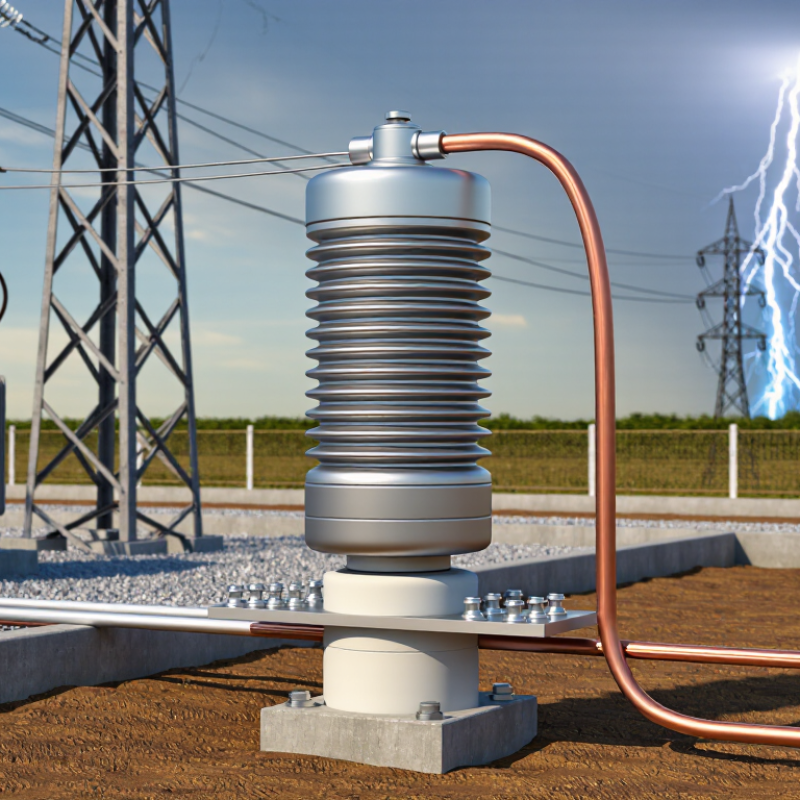
A Grounding Lightning Arrester is a surge-protection device connected to an earthing system. When lightning or a switching surge raises voltage, the arrester provides a controlled path for current toward ground. Its purpose is to limit damaging overvoltage across protected equipment. The complete protection arrangement also depends on bonding, conductor routing, and earth connections. An arrester alone cannot fix poor grounding.

Standards help define the engineering context. IEEE C62.11 covers metal-oxide surge arresters for alternating-current power circuits, while IEEE Std 80 addresses grounding safety in AC substations. They are not interchangeable instructions for every installation. The right design depends on system voltage, exposure, soil conditions, and equipment requirements. A practical check begins at the terminal: inspect the connection, follow the grounding conductor, and look for loose joints or corrosion. Small details matter.

There is a catch. A low measured earth resistance does not, by itself, prove that the full lightning-protection system will perform well. I would not treat one reading as a guarantee. This guide explains how a Grounding Lightning Arrester works, where it fits in a protection system, and which installation details deserve closer review.
What Is a Grounding Lightning Arrester?

Definition and Purpose of a Grounding Lightning Arrester

A grounding lightning arrester is a protective device connected between an electrical conductor and a grounding system. When lightning or a related surge raises the voltage sharply, the arrester provides a low-impedance path for excess current to flow toward earth. It then returns to its normal insulating state. In simple terms, it helps keep dangerous voltage away from equipment insulation and connected circuits.

It does not stop lightning from striking, and it cannot guarantee that equipment will remain undamaged. Its purpose is to limit the effects of a surge. A properly bonded grounding path matters just as much as the arrester itself. Loose connections, corrosion, or an undersized conductor can undermine protection. Small details count. For example, a long, sharply bent grounding wire may add impedance and make surge current harder to discharge. The correct device and installation depend on the system voltage, available fault conditions, and the equipment being protected. These details are easy to overlook, even in a tidy installation. A qualified electrical professional should assess the arrangement and verify that the grounding and bonding connections are sound.

Main Components and Their Functions

A grounding lightning arrester system uses several connected parts to give lightning current a controlled path toward earth. The air terminal, often a pointed metal rod on a roof, intercepts a strike. It does not stop lightning. Its job is to connect the strike to the conductors below.

Down conductors carry current along the building’s exterior. They should follow short, direct routes, with few sharp bends. Clamps secure them to walls or roof supports. Bonding connections join nearby metal items, such as roof frames or pipes, to reduce dangerous voltage differences. This detail is easy to overlook. Yet a loose bond can undermine the whole arrangement.

At ground level, an electrode—such as a buried rod or conductor—disperses current into the soil. A test joint may allow an installer to inspect or measure parts of the system. Soil moisture and composition affect performance, so one design does not suit every site. Keep connections accessible for inspection. Corrosion, loose fittings, or accidental damage can weaken the path over time. A qualified lightning-protection professional should assess the layout and verify that components work together. No component works alone.

How the Arrester Diverts Lightning Surges to Ground

A grounding lightning arrester provides a controlled path for sudden electrical surges. It is connected between a power conductor and the grounding system. During normal operation, it presents high resistance, so current continues through the circuit. When a lightning surge raises the voltage sharply, the arrester’s internal elements become conductive.

The surge then travels through the arrester toward ground instead of passing through sensitive equipment. Think of a flash striking a distribution line: voltage can rise in microseconds, far faster than a person can react. The arrester limits that rise and carries much of the surge current through a short, low-impedance grounding connection. Short matters. Long or poorly bonded conductors can add impedance and reduce protection.

After the surge passes, the arrester returns to its high-resistance state. Grounding quality, correct installation, and periodic inspection all affect performance. Cracked housings, loose connections, or corrosion may weaken the path. No arrester can remove every risk, and a good installation still needs sound coordination with the wider electrical system. That detail is easy to overlook.

Grounding Requirements and Installation Principles

A grounding lightning arrester can divert a surge toward earth, but its performance depends on the entire grounding path. A sound installation begins with a site assessment: soil conditions, existing electrodes, building services, and the equipment being protected all matter. Requirements vary by location and system, so installers should follow applicable electrical standards and the arrester manufacturer’s instructions. Guesswork is risky.

Keep the connection to the grounding system short, direct, and securely fastened. Sharp bends and excess conductor length can increase impedance during a fast surge. Bond the arrester’s grounding terminal to the building’s grounding network rather than creating an isolated earth connection. Check that clamps resist corrosion and that metal surfaces make firm contact; a connection can look tidy and still be poor. Small details matter.

Before installation, confirm the device’s voltage rating and placement suit the circuit. A qualified electrical professional should inspect the grounding and bonding arrangement, especially in older buildings with mixed wiring or uncertain electrode connections. Soil resistance can change with moisture and seasons, so one measurement is not the whole story. Even a careful installation has limits; it reduces risk, but cannot guarantee that equipment will never be damaged.

What Is a Grounding Lightning Arrester?

Illustrative 10/350 μs lightning impulse current waveform. The waveform is normalized to peak current; actual surge currents vary.

A grounding lightning arrester limits surge voltage by providing a path for surge current to flow to earth. Install it with short, direct connections to the protected conductors and grounding system, and follow the applicable electrical code and the arrester manufacturer’s instructions. Grounding requirements depend on the installation and local rules; no single resistance value applies everywhere.

Common Types and Practical Applications of Grounding Arresters

Grounding Lightning Arresters: Common Types and Practical Applications

A grounding lightning arrester limits transient overvoltage by diverting surge current through a short, low-impedance path to earth. The grounding connection matters: a long, sharply bent conductor can add impedance and weaken protection. In practice, installers check conductor routing, bonding, and the condition of ground connections—not just the arrester’s voltage rating.

Common types include distribution-class, station-class, and line-mounted metal-oxide arresters. Distribution units protect transformers and equipment on utility poles; station-class units serve substations, where equipment values and surge exposure are higher. Line arresters can reduce flashovers on exposed overhead lines, especially where shielding or insulation coordination is challenging.

NASA’s Optical Transient Detector and Lightning Imaging Sensor research estimated about 44 lightning flashes per second worldwide, underscoring how frequently electrical systems face exposure. That global average does not predict risk at a specific site. Local lightning density, soil conditions, system voltage, and equipment configuration should guide selection, with design checked against applicable IEEE or IEC guidance. Even sound designs need inspection; corrosion and loose bonds can quietly undermine them.

FAQS

What does a grounding lightning arrester do?

It gives excess surge current a low-impedance path to earth. Then it returns to its insulating state. It limits surge effects; it cannot stop lightning.

Can an arrester guarantee that equipment will not be damaged?

No. It reduces risk, but equipment can still be damaged. Protection has limits.

Why does the grounding connection matter?

A short, direct, secure connection helps discharge surge current. A long wire with sharp bends can weaken protection.

Should the arrester have a separate earth connection?

The article advises bonding its grounding terminal to the building’s grounding network, not creating an isolated earth connection.

What should be checked before selecting an arrester?

Confirm its voltage rating and placement suit the circuit. System voltage, fault conditions, soil, and protected equipment also matter.

What are common arrester types and where are they used?

Distribution-class units protect transformers and pole-mounted equipment. Station-class units serve substations. Line-mounted units can help reduce flashovers on exposed overhead lines.

Who should assess and install the grounding arrangement?

A qualified electrical professional should assess the site and verify grounding and bonding. Guesswork is risky.

How can a grounding path become less effective over time?

Corrosion, loose clamps, and uncertain bonds can undermine protection. Connections may look tidy yet make poor contact.

Does a global lightning rate predict risk at one site?

No. The cited estimate is about 44 flashes per second worldwide, but local exposure depends on site conditions and system design.

Conclusion

A Grounding Lightning Arrester is a protective device designed to limit dangerous voltage surges caused by lightning and safely direct their energy into the earth. Its main components typically include a surge-limiting element, conductive connections, an insulating enclosure, and a grounding terminal. Under normal conditions, the arrester does not interfere with the electrical system. When a lightning surge raises the voltage, its protective element provides a low-resistance path to ground, helping reduce the risk of damage to equipment and electrical installations.

Effective protection depends on correct grounding and installation. The arrester should be connected with short, direct conductors to a suitable grounding system, with secure connections and appropriate placement near the equipment being protected. Grounding arrangements must be selected for the site and maintained in good condition. Common arrester types are used in power distribution, buildings, communication systems, and industrial facilities, where their design and rating are matched to the system’s operating conditions and protection needs.

Ethan

Ethan

Ethan is a seasoned marketing professional with a deep expertise in our company's innovative product line. With a passion for sharing knowledge and insights, he takes the lead in regularly updating our corporate blog, where he explores industry trends, product features, and effective marketing......