
Shu Guang Shu Guang

How to Choose the Right Lightning Surge Arrestor?

Time:2026-09-29 Author:Sophia
0%

Choosing the right Lightning Surge Arrestor starts with understanding what it must protect. A rooftop unit faces different exposure from a control cabinet inside a factory. The incoming supply, connected equipment, and grounding arrangement all matter. One rating alone cannot tell the whole story.

Electrical pioneer Benjamin Franklin, whose experiments helped advance the study of lightning, offered a lasting reminder: “An ounce of prevention is worth a pound of cure.” The saying is old, but the practical lesson still fits. A suitable arrestor can limit damaging surges before they reach sensitive equipment. The wrong model may leave a gap in protection.

Compare the arrestor’s maximum continuous operating voltage, surge-current rating, protection modes, and response characteristics with the system’s actual conditions. Check whether it is designed for the installation point and can coordinate with other protective devices. Grounding deserves close attention. A poor connection can undermine an otherwise capable product.

Installation details matter. So do temperature, enclosure rating, maintenance access, and the manufacturer’s documentation. A polished datasheet is helpful, but it cannot replace a site assessment. In practice, selection often involves trade-offs between protection level, service life, and cost. Those trade-offs should be visible, not hidden behind a single impressive number.

This guide explains how to assess those factors and compare options with care. It cannot prescribe one arrestor for every site. That would be too neat. Use the equipment specifications and qualified engineering judgment to confirm the final choice.
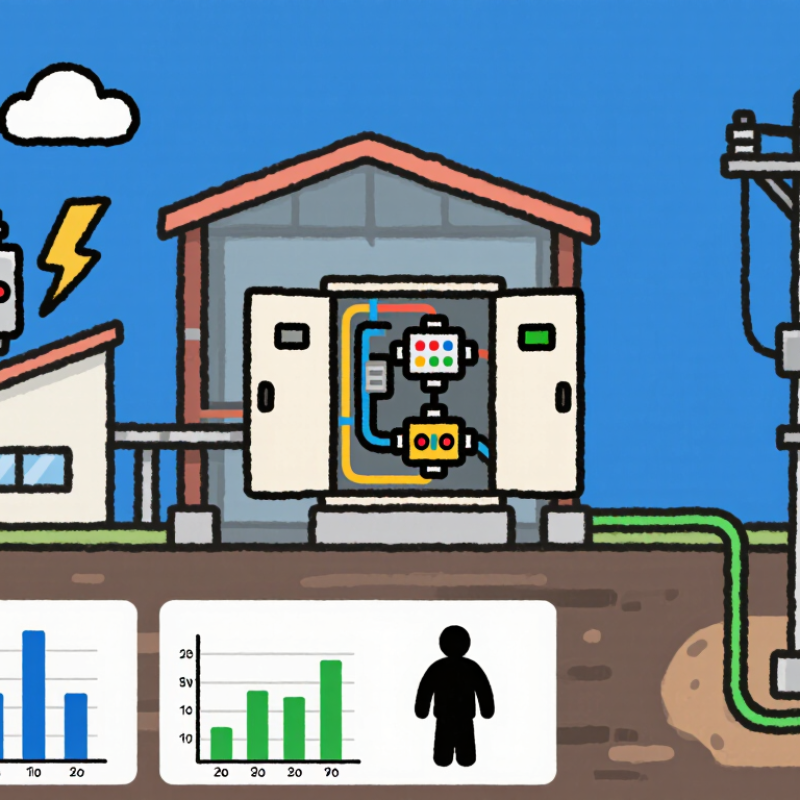
How to Choose the Right Lightning Surge Arrestor?

Define a Lightning Surge Arrestor and Its Protective Function

How to Choose the Right Lightning Surge Arrestor?

A lightning surge arrestor is a protective device that limits sudden overvoltage. It diverts surge energy toward the grounding system. The device then clamps the voltage before it reaches sensitive equipment. It does not “stop” lightning itself. This distinction matters during selection.

IEC 61643-11 classifies low-voltage surge protective devices by their testing and application conditions.

Type 1 devices handle partial lightning current at service entrances.

Type 2 devices protect distribution boards.

Type 3 devices provide localized protection near equipment.

In practice, a coordinated system works better than one device alone. Grounding, bonding, conductor length, and backup protection all affect performance.

The U.S. National Weather Service reports roughly 20 million lightning flashes annually across the country.

Insurance industry data reported by Triple-I recorded about 47,000 lightning-related claims and nearly 1.2 billion dollars in insured losses in 2023.

The figures are significant, but they do not explain every installation risk.

Tips:

Check the system voltage, maximum continuous operating voltage, nominal discharge current, and short-circuit rating. Keep connecting leads short and straight. Inspect the indicator after major storms. Field inspections often reveal loose bonds or aging arrestors.

That is the uncomfortable part: a good device can still fail in a poor installation. No arrestor is a magic shield. Have a qualified electrician verify the design against IEC 61643-11 and local electrical requirements.

Identify the System Voltage and Grounding Configuration

How to Choose the Right Lightning Surge Arrestor?

Identify the system voltage and grounding configuration before selecting a lightning surge arrestor. Check the nominal voltage between phases and between each phase and neutral. These values are not always identical. A device rated for a lower voltage may fail during normal operation. Confirm the maximum continuous operating voltage, or Uc, on the technical datasheet.

Your grounding arrangement also controls the arrestor’s connection and protection level. TN-S, TN-C, TT, and IT systems require different wiring methods. In a TT system, the neutral and protective earth remain separate, while an IT system may have no direct earth reference. I have seen installations where voltage was measured correctly, but the grounding layout was assumed. That small assumption created poor protection and unnecessary replacement work. Verify the supply at the panel, inspect the earth conductor, and consult current electrical standards.

Tips: Record line-to-line and line-to-earth readings. Check whether neutral switching is used. Select an arrestor with suitable Uc and short-circuit ratings. Keep connecting leads short and straight. Ask a qualified electrician to verify the final arrangement. It is easy to overlook temporary overvoltage conditions, especially in older buildings. Recheck the system after modifications, because the original choice may no longer be suitable.

How to Choose the Right Lightning Surge Arrestor? - Identify the System Voltage and Grounding Configuration

Start by identifying the nominal system voltage, the voltage from line to ground, and the grounding configuration. The arrestor's continuous operating voltage (Uc or MCOV) must remain above the highest expected continuous line-to-ground voltage and must also withstand temporary overvoltage (TOV) conditions.

System Example Nominal Voltage Grounding Configuration Typical Line-to-Ground Voltage Screening Uc / MCOV Target Typical Application Selection Considerations
Single-phase grounded system 120 V line-to-neutral Solidly grounded neutral 120 V At least 144 V Branch circuits, small control panels, receptacle and equipment protection Confirm neutral integrity and select an arrestor suitable for the available short-circuit current.
Three-phase wye system 120/208 V Solidly grounded neutral 120 V At least 144 V Commercial buildings, lighting panels and small industrial distribution Use a four-mode device when protection is required between phases, phase-to-neutral and neutral-to-ground.
Three-phase wye system 277/480 V Solidly grounded neutral 277 V At least 320 V Commercial and industrial switchboards, motor control and lighting systems Verify the device's voltage rating, nominal discharge current and short-circuit current rating.
Three-phase wye system 347/600 V Solidly grounded neutral 347 V At least 400 V Industrial and commercial distribution systems Check the manufacturer's TOV curve and ensure the arrestor is rated for the complete system voltage.
Three-phase wye system 400/690 V Solidly grounded neutral 400 V At least 460 V Low-voltage industrial power distribution and motor feeders Coordinate the arrestor's voltage protection level with the withstand rating of connected equipment.
Resistance-grounded system 480 V line-to-line High-resistance or low-resistance grounded neutral Normally about 277 V; fault conditions may be higher Usually above 320 V; verify TOV Industrial systems where ground-fault current is intentionally limited Do not select Uc from nominal phase voltage alone. Use the maximum fault duration and TOV requirements.
Ungrounded or isolated system 480 V line-to-line Neutral not intentionally connected to earth May approach 480 V during a line-to-ground fault Often selected near or above 480 V Legacy industrial networks and isolated power systems Arrestors must tolerate sustained overvoltage during the first ground fault. Confirm insulation coordination carefully.
Corner-grounded delta 480 V line-to-line One phase conductor intentionally grounded 0 V on the grounded phase; up to 480 V on the other phases to ground At least 480 V; a higher rating may be required Specific industrial delta distribution systems Do not use a standard wye-system arrestor arrangement unless it is approved for corner-grounded service.
Delta system without a grounded neutral 600 V line-to-line Ungrounded or impedance-grounded delta Can rise toward 600 V during a ground fault Typically near or above 600 V Industrial machinery and specialized process installations Review fault-clearing time, earth-fault behavior and the arrestor's continuous voltage rating.
Medium-voltage grounded system 11 kV line-to-line Solidly grounded, resistance grounded or effectively grounded Approximately 6.35 kV for a grounded wye system Selected from system maximum voltage and TOV study Utility, renewable-energy and industrial medium-voltage networks Use a properly rated metal-oxide surge arrester and coordinate it with transformer insulation and system BIL.

Important: The Uc / MCOV values shown are screening targets, not universal replacement ratings. Final selection should verify the maximum system voltage, grounding method, expected temporary overvoltage, fault-clearing time, nominal discharge current, voltage protection level, short-circuit rating, installation location and applicable electrical standards.

Compare Arrestor Types, Ratings, and Protection Levels

Lightning protection begins with exposure, not price.

NASA Earth Observatory estimates roughly eight million lightning flashes strike Earth each day. That scale makes a single rating impossible for every installation.

Type 1 arrestors handle high-energy partial lightning currents, usually tested with a 10/350 μs waveform.

Type 2 devices manage induced surges and switching events, commonly using an 8/20 μs test current.

Type 3 units provide fine protection near sensitive equipment.

Use the correct rating.

Check Uc, In, Imax, and Up against the electrical system. Uc must exceed the system’s continuous operating voltage. In shows the nominal discharge current. Imax indicates the maximum discharge capability, but it should not replace coordination analysis. Up is critical because it defines the residual voltage reaching equipment.

IEC 61643-11 and IEEE C62.41.1 both stress system conditions, waveform exposure, and installation location when selecting surge protection. A low Up value is often preferable, but only when the arrestor can survive the expected current.

Installation details can defeat excellent specifications.

Keep connecting conductors short and straight. Every extra bend adds impedance during a fast transient. Place Type 1 protection near the service entrance, then coordinate Type 2 and Type 3 devices downstream.

NASA’s lightning data is useful for understanding frequency, yet local soil conditions, overhead lines, and building geometry matter more during selection.

I have seen projects focus on Imax while ignoring conductor length. That is an expensive oversight.

Ratings need context, and field inspection should challenge the original design.

Evaluate Installation Conditions and Applicable Standards

How to Choose the Right Lightning Surge Arrestor?

Evaluate the installation conditions before selecting a lightning surge arrestor. Check the system voltage, earthing arrangement, and expected fault current. A device rated for the wrong network can fail prematurely. Confirm its maximum continuous operating voltage against measured system conditions. Do not rely only on nominal voltage.

Inspect the site carefully. Long cable runs, rooftop equipment, exposed metalwork, and overhead lines can increase surge exposure. Short connecting leads matter because extra length raises residual voltage. Select the suitable protection type for the service entrance, distribution board, or sensitive equipment. The enclosure should match moisture, dust, temperature, and access conditions. Small details matter.

Applicable standards must also guide the decision. IEC 61643-11 addresses low-voltage surge protective devices, while IEC 62305 supports lightning protection risk assessment. NFPA 780 may apply to certain lightning protection installations. Local electrical codes remain essential. Requirements can differ between regions and building categories.

In field inspections, labels are sometimes clear, but the grounding path is not. That is a warning. Verify conductor size, bonding, backup overcurrent protection, and disconnection status. Follow the manufacturer’s technical data without depending on marketing claims. Test records should identify the installation date and inspection results. A checklist helps, yet it can miss unusual wiring. Recheck the actual site.

Check Compatibility, Maintenance Needs, and Expected Service Life

Choosing a lightning surge arrestor starts with compatibility, not price. Match its continuous operating voltage with the system’s actual voltage and grounding arrangement. A poor match can cause nuisance operation or leave equipment exposed. Check the arrestor’s discharge current rating, response characteristics, enclosure rating, and connection size. For outdoor panels, moisture resistance matters. So does the available installation space.

Maintenance needs should be clear before installation. Inspect the housing for cracks, discoloration, loose terminals, and moisture marks during scheduled electrical checks. Some arrestors include status indicators or remote contacts, but these features still need testing. Record inspection dates and major surge events. A simple log can reveal repeated stress that casual inspection misses. Do not assume a normal-looking unit is healthy.

Expected service life is rarely a fixed number. It depends on lightning frequency, switching surges, pollution, heat, and grounding quality. After a severe event, arrange a qualified inspection, even when connected equipment still works. Replacement may be sensible when the indicator changes, leakage rises, or the unit shows thermal damage. In practice, planning only by calendar years is imperfect. Conditions in the field are less predictable than product tables suggest. A careful review of local exposure and maintenance history gives a more realistic replacement plan.

FAQS

What does a lightning surge arrestor do?

It limits sudden overvoltage and diverts surge energy toward the grounding system. It does not stop lightning itself.

Why is the correct system voltage important?

Check phase-to-phase and phase-to-neutral voltage before choosing a device. A lower-rated unit may fail during normal operation.

What does maximum continuous operating voltage mean?

This rating shows the voltage the arrestor can tolerate continuously. Compare it with the system’s actual measurements, not assumptions.

How does grounding affect the selection?

Grounding arrangements use different connection methods. Inspect the earth conductor and verify the panel configuration with a qualified electrician.

Should one arrestor protect an entire building?

A coordinated system usually works better. Service entrances, distribution boards, and equipment areas may need different protection levels.

How should the connecting wires be installed?

Keep the conductors short and straight. Long bends add impedance and can reduce protection during a fast surge.

What ratings should be checked before installation?

Review discharge current, short-circuit rating, enclosure rating, connection size, and available installation space. Outdoor panels also need moisture resistance.

How can I tell whether an arrestor needs replacement?

Inspect indicators, housing, terminals, and moisture marks after major storms. Thermal damage, changed indicators, or rising leakage require qualified inspection.

Does a normal-looking arrestor always remain reliable?

No. Internal stress may not be visible. A maintenance log can reveal repeated surges that casual inspection misses.

How long should a lightning surge arrestor last?

There is no dependable fixed lifespan. Lightning, switching events, heat, pollution, and grounding quality all affect service life. Calendar planning alone is imperfect.

Conclusion

Choosing the right Lightning Surge Arrestor begins with understanding its purpose: it diverts excessive transient voltage caused by lightning or switching events, helping protect electrical equipment and reduce the risk of insulation damage. Start by identifying the system voltage, frequency, and grounding configuration, since these factors determine the suitable operating voltage and connection method. A careful assessment of the electrical network will also help prevent unwanted interruptions or improper protection.

Next, compare arrestor types, discharge ratings, voltage protection levels, and response performance according to the sensitivity of the equipment being protected. Installation conditions, including exposure to weather, available space, cable length, and coordination with other protective devices, should be reviewed alongside applicable electrical standards. Finally, confirm compatibility with the system, inspect maintenance requirements, and consider the expected service life under local operating conditions. A well-selected and properly installed arrestor provides reliable protection and supports safer, more stable electrical operation.

Sophia

Sophia

Sophia is a dedicated marketing professional with an exceptional depth of knowledge about her company's products and services. With a keen understanding of market trends and customer needs, she crafts insightful blog posts that not only inform but also engage readers, enriching the company’s online......