
Shu Guang Shu Guang

2026 How to Choose the Right Grounding Lightning Arrester?

Time:2026-05-28 Author:Amelia
0%

Selecting the right Grounding Lightning Arrester is crucial for protecting structures from lightning strikes. According to recent industry reports, improper grounding can result in significant damage. In fact, electrical surges due to lightning can cause losses of over $1 billion per year in the U.S. alone. This highlights the importance of effective grounding systems in safeguarding assets.

A Grounding Lightning Arrester serves as a frontline defense against electrical surges. It channels excess electricity safely into the ground. However, not all devices are created equal. Many users overlook crucial factors such as voltage ratings and installation types. These decisions can dramatically impact the efficacy of lightning protection.

Furthermore, the choice of materials used in a Grounding Lightning Arrester matters. High-quality products reduce the risk of equipment failure. The right arrester can significantly lower maintenance costs. It’s essential for users to consider both technical specifications and their specific application needs. Reflecting on these points can lead to more informed decisions, ultimately enhancing safety and reliability.
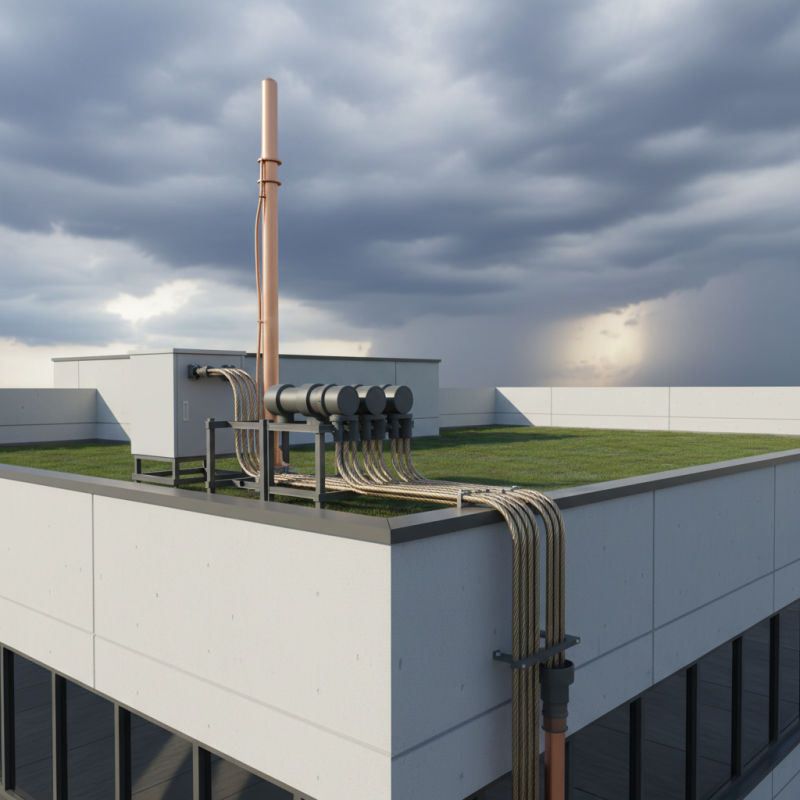
2026 How to Choose the Right Grounding Lightning Arrester?

Choosing the Right Grounding Lightning Arrester: Key Factors to Consider

Choosing the right grounding lightning arrester requires careful consideration of several key factors. One crucial aspect is the voltage rating. According to industry standards, selecting an arrester that matches or exceeds the system voltage is essential. This helps ensure optimal protection against lightning strikes. For instance, a 15 kV arrester is suitable for systems operating at 12.47 kV.


Another significant factor is the energy absorption capability. Research indicates that arresters with higher energy ratings can handle more severe lightning strikes. Lightning can carry tens of thousands of amperes, and an arrester must dissipate that energy effectively. This data emphasizes the importance of robust energy ratings to ensure reliable protection.


Additionally, installation location matters. Each environment poses unique challenges. For example, installations near coastal areas may face harsher conditions, requiring higher-rated arresters. Understanding these variations is vital. Users frequently overlook these details, leading to potential vulnerabilities in protection systems. Thus, thorough assessment and expert advice are invaluable in this selection process.

Understanding the Types of Grounding Lightning Arresters Available Today

When selecting a grounding lightning arrester, understanding the different types available is crucial. Common options include rod, plate, and wire arresters. Each type serves a specific purpose. Rod arresters are typically used for buildings. They offer effective protection against direct strikes. Plate arresters, on the other hand, are better suited for flat surfaces. They distribute the electrical charge more evenly. Wire arresters can cover larger areas but may require more maintenance.

Choosing the right type involves assessing your environment. Factors like building height, local weather patterns, and surrounding structures influence the decision. For example, a tall building in a storm-prone area may need multiple rod arresters. However, too many could cause interference, which can be problematic. Ensuring the right balance is essential.

It's vital to consult with experts familiar with local conditions. Their experience can guide your choice. However, not all recommendations are foolproof. Some may overlook specific site details, leading to inadequate protection. Take time to evaluate your situation thoroughly. The right arrester can make a significant difference in safety and longevity.

2026 How to Choose the Right Grounding Lightning Arrester?

Type of Grounding Lightning Arrester Material Voltage Rating (kV) Response Time (ns) Application Area
Metal Oxide Varistor (MOV) Ceramic 3 - 36 100 Residential & Industrial
Gas Discharge Tube (GDT) Glass 6 - 30 5 Telecommunications
Transient Voltage Suppressor (TVS) Silicon 5 - 40 1 Consumer Electronics
Surge Protective Device (SPD) Polymer 4 - 20 10 Commercial Buildings
Silicon Carbide (SiC) Device Silicon Carbide 10 - 50 0.5 Renewable Energy

Evaluating the Performance Ratings and Standards for Lightning Arresters

When selecting a grounding lightning arrester, performance ratings and standards play a crucial role. These ratings indicate how well an arrester can protect equipment from lightning strikes. The Institute of Electrical and Electronics Engineers (IEEE) recommends that arresters be tested according to strict guidelines, including IEEE C62.11 standards. This ensures reliability and effectiveness in real-world conditions.

Understanding the voltage protection level (VPL) is essential. The VPL should align with the system's operational voltage. Data from the National Lightning Safety Institute shows a significant reduction in equipment damage when the correct arrester is used. A mismatch can lead to failures, resulting in expensive repair costs.

Tip: Regularly inspect and maintain grounding systems to ensure they function correctly. Aging equipment can underperform, increasing risk. Take care to choose arresters with proper surge current ratings.

Consider environmental factors as well. For instance, areas with frequent thunderstorms require more robust solutions. A reliance on standards alone may lead to underestimating local conditions. Always seek to understand specific needs rather than following generic recommendations.

2026 How to Choose the Right Grounding Lightning Arrester? - Performance Evaluation

This chart presents the performance ratings of various factors for grounding lightning arresters, highlighting their importance in choosing the right device for effective lightning protection.

Analyzing the Cost-Benefit Ratio of Different Grounding Lightning Arresters

When selecting grounding lightning arresters, the cost-benefit ratio is crucial. A report from the Institute of Electrical and Electronics Engineers (IEEE) highlights that effective arresters reduce damage from lightning strikes by up to 60%. This statistic emphasizes the need for thorough evaluation of different products. Investing in quality arresters can save a business significant repair costs over time.

Understanding the types of grounding systems can guide your decision. For instance, leveled or vertical grounding can affect performance. A case study showed that systems with properly installed grounding rods yielded better results than those without. However, installation and maintenance costs must be analyzed.

It's important to consider longevity. Some arresters may have lower initial costs but higher replacement rates. According to a recent survey by the National Fire Protection Association (NFPA), over 30% of lightning-related losses stem from inadequate protection systems. Reflecting on these insights reveals that sometimes, choosing the cheapest option can lead to higher long-term expenses. Thoughtful analysis of both initial costs and potential savings is key.

Assessing Environmental Conditions and Their Impact on Lightning Arrester Choice

When choosing the right grounding lightning arrester, environmental conditions play a critical role. Factors such as local climate, topography, and vegetation can significantly influence the effectiveness of lightning protection systems. For instance, areas with frequent thunderstorms or high humidity typically require more robust solutions. Data from the National Lightning Detection Network indicates that the southeastern United States experiences over 60 thunderstorm days annually, necessitating advanced protection measures.


Additionally, the installation environment matters. Urban settings may have different challenges compared to rural areas. In cities, tall structures may create unique lightning behavior, resulting in more strikes. A report by The Lightning Protection Institute suggests that buildings surrounded by trees may need specialized grounding techniques to mitigate surge risks. Ignoring these nuances can lead to inadequate protection or costly failures.


A common oversight is underestimating the soil conductivity at installation sites. Poor conductivity can limit a system's effectiveness, leading to compromised safety. Many engineers argue that soil tests should be part of the assessment process. This evaluation often reveals unexpected issues. For example, sandy soils may require deeper grounding rods, while rocky environments may drive costs higher than anticipated. Understanding these environmental factors is essential for making informed decisions when selecting a lightning arrester.

FAQS

: Why is voltage rating important when choosing a grounding lightning arrester?

: The voltage rating must match or exceed system voltage for optimal protection against lightning strikes.

How does energy absorption capability affect lightning arresters?

Higher energy ratings enable arresters to handle severe lightning strikes effectively, ensuring reliable protection.

What types of grounding lightning arresters are available?

Common types include rod, plate, and wire arresters. Each serves different purposes based on environmental needs.

Where should I install a grounding lightning arrester?

Installation location matters. Areas like coastal regions may require arresters with higher ratings due to harsher conditions.

How do surrounding structures influence arrester choice?

Nearby buildings and local weather patterns affect which type and how many arresters are needed for adequate protection.

What should I consider about the installation environment?

Assess factors like building height and weather patterns. These influence the effectiveness of the selected arrester type.

Why consult with experts when choosing lightning arresters?

Experts can provide insights based on experience, but not all advice is perfect. Evaluate your specific situation carefully.

Can too many lightning arresters be a problem?

Yes, using too many can cause interference. Striking a balance is crucial for effective lightning protection.

How can I evaluate my situation before choosing an arrester?

Thoroughly assess your environment and seek professional advice to avoid common pitfalls in selection.

What happens if I ignore site-specific details?

Overlooking specific details can create vulnerabilities, potentially compromising your lightning protection system.

Conclusion

When selecting a grounding lightning arrester, it is essential to consider several key factors to ensure optimal protection. First, understanding the different types of grounding lightning arresters available today will help in identifying the most suitable option for specific needs. Evaluating performance ratings and standards is crucial as this determines the effectiveness and reliability of the arrester. Additionally, analyzing the cost-benefit ratio of various grounding lightning arresters will provide insights into the best investment for long-term safety.

Environmental conditions also play a significant role in the choice of grounding lightning arrester. Assessing local weather patterns, soil conductivity, and installation settings can greatly influence the effectiveness of the arrester. By taking these factors into account, one can make an informed decision when choosing the right grounding lightning arrester, ensuring adequate protection against lightning strikes and enhancing overall safety.

Amelia

Amelia

Amelia is a seasoned marketing professional with a wealth of expertise in our company’s core offerings. With an unwavering passion for driving growth and innovation, she plays a pivotal role in shaping our marketing strategies and enhancing brand visibility. A key aspect of her responsibilities......